Dr. Tali Chackartchi is a periodontist and internationally recognized expert in periodontal regeneration, implant therapy, and digital surgical workflows. She completed her specialization in Periodontology at the Hebrew University, Hadassah School of Dental Medicine and is an EFP-certified periodontist. Dr. Chackartchi also holds a PhD in periodontal regeneration from the University of Szeged, Hungary.
For more than 15 years, she served as a senior clinician and educator in the Department of Periodontology at Hadassah, training generations of dental students and residents. She is an active researcher and speaker, with publications and lectures focusing on the perio-implant interface, ridge preservation, sinus augmentation, the perio-ortho interface and evidence-based digital implant planning.
Dr. Chackartchi is a member of the Executive Committee of the European Federation of Periodontology (EFP). A Board Member of the Osteology Foundation and is a Past President of the Israeli Society of Periodontology and Osseointegration.
Her clinical practice is dedicated to periodontology and implantology, with a strong emphasis on biologically driven, patient-centered care.
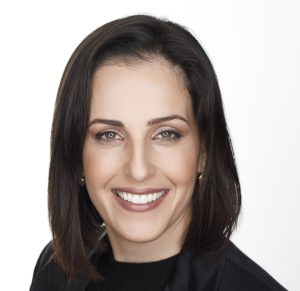
Dr. Tali Chackartchi
Israel
Bio
Abstract
Controlling Errors in Guided Surgery
Digitalization and advanced technologies are constantly incorporated in implant dentistry.
Mainly, computer supported implant planning and guided surgery.
It is well established that implant insulation using guides will enable a more precise
outcome. However, to master these advanced tools and reach an accurate result, we
must have a comprehensive understanding of the digital workflow to control process
errors.
In this presentation, the digital workflow for dynamic and static guided implant
placement will be introduced and challenged. Highlighting potential errors, alongside
suggestions for amendments to prevent it.
Learning objectives:
- Indicate the value of computer supported implant planning and guided
surgery as a standard of care. - Understand the inherent risk the digital tools present us with.
- Critically review of possible process errors in the workflow of dynamic and
static guided surgery.