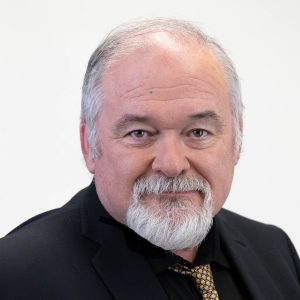
Prof. Izchak Barzilay received his DDS from the University of Toronto in 1983, a Certificate in Prosthodontics from the Eastman Dental Center in Rochester, NY in 1986, and a MS from the University of Rochester in 1991. He is currently CEO of the Build Your Smile Dental Foundation, Toronto, ON; Chair Emeritus – Board of Directors – Royal College of Dentists of Canada, Toronto, ON; Head of the Division of Prosthodontics and Restorative Dentistry, Mt. Sinai Hospital, Toronto, Ont.; Adjunct Assistant Professor of Dentistry, School of Medicine and Dentistry, University of Rochester, Rochester NY ; Professor, George Brown Polytechnic, Toronto, ON; Associate in Dentistry, University of Toronto, Toronto, ON.; Past President of the Academy of Prosthodontics, San Diego, CA; Past President of the American Prosthodontic Society; Past – President of the Association of Prosthodontists of Canada: Past President – Ontario Study Club for Osseointegration. Toronto, ON; Past Chief Examiner in Prosthodontics – Royal College of Dentists of Canada; Publication reviewer for Journal of Esthetic and Restorative Dentistry and is in private practice limited to prosthodontics and implant dentistry in Toronto, Ont.
He has published on various topics including immediate implants, bonding plastics to various metals and other material and implant related topics. He has been awarded the Tylman Award (American Academy of Crown and Bridge Prosthodontics), Prosthodontics Research Award (International Association for Dental Research), Buonocore Award (American Association for Dental Research Rochester Chapter), the Essay Award (American College of Prosthodontics), the International Journal of Oral and Maxillofacial Implants-Best Paper-1996, the A.B. Hord Master Teacher Award (University of Toronto), Division of Prosthodontics 2007 Alumni Award (University of Rochester Eastman Dental Center) the Arbor Award (University of Toronto) 2019, Award of Merit (Canadian Dental Association) 2024, Private Practice Award (Amerian College of Prosthodontists) 2024, Distinguished Service Award (Royal College of Dentists of Canada) 2024. Dr. Barzilay holds fellowships in the Academy of Prosthodontics, Academy of Osseointegration, Royal College of Dental Surgeons of Canada, Pierre Fauchard Academy, Academy of Dentistry International and the International College of Dentists.