Professor Levartovsky is an Associate Clinical Professor and currently serves as Head of the Department of Oral Rehabilitation at The Maurice and Gabriela Goldschleger School of Dental Medicine, Gray Faculty of Medicine, Tel Aviv University.
She graduated from the Faculty of Dental Medicine at the Hebrew University–Hadassah and subsequently completed the Graduate Program in Prosthodontics and a prestigious Implant Fellowship at York New University, New York, USA.
Prof. Levartovsky is a former Editor-in-Chief of “Nekudat Maga” (Point of Contact), the official journal of the Israeli Prosthodontic Association, and previously served as Chair of the Israeli Society of Prosthodontics.
For over 15 years, she served as Director of the Graduate Program in Prosthodontics at The Maurice and Gabriela Goldschleger School of Dental Medicine, Tel Aviv University, playing a central role in shaping specialist training in Israel.
She has published extensively in peer-reviewed international journals and is an invited speaker at leading national and international congresses, with a clinical and academic focus on advanced fixed prosthodontics and implant surgery.
Prof. Levartovsky maintains a private referral-based clinic in Tel Aviv, dedicated primarily to complex oral rehabilitation and implant surgery.
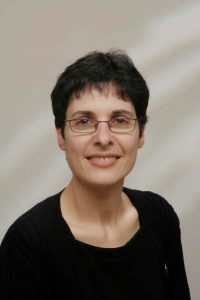
Prof. Shifra Levartovsky
Israel
Bio
Abstract
Fixed Full-Arch Implant Restorations: Clinical Insights on Treatment Planning, Digital vs. Analog Workflows, and Long-Term Outcomes
Fixed full-arch implant restorations are a predictable solution for the rehabilitation of edentulous and terminal dentition patients, yet their success depends on accurate treatment planning, workflow selection, and long-term maintenance. This lecture presents clinical insights into full-arch implant therapy, with emphasis on comparing digital and analog workflows and their impact on clinical outcomes.
Through selected clinical cases, key aspects of diagnosis, prosthetically driven planning, surgical execution, and prosthetic design will be discussed. Digital technologies and conventional approaches will be critically evaluated in terms of accuracy, efficiency, complication management, and long-term performance. Clinical cases with follow-up will highlight common challenges and practical strategies to optimize biological and mechanical outcomes.